
Bluetooth, Wired 3.5mm or microSD: When Each Headphone Mode Wins
By TezKhareed Team · Updated 14 September 2026
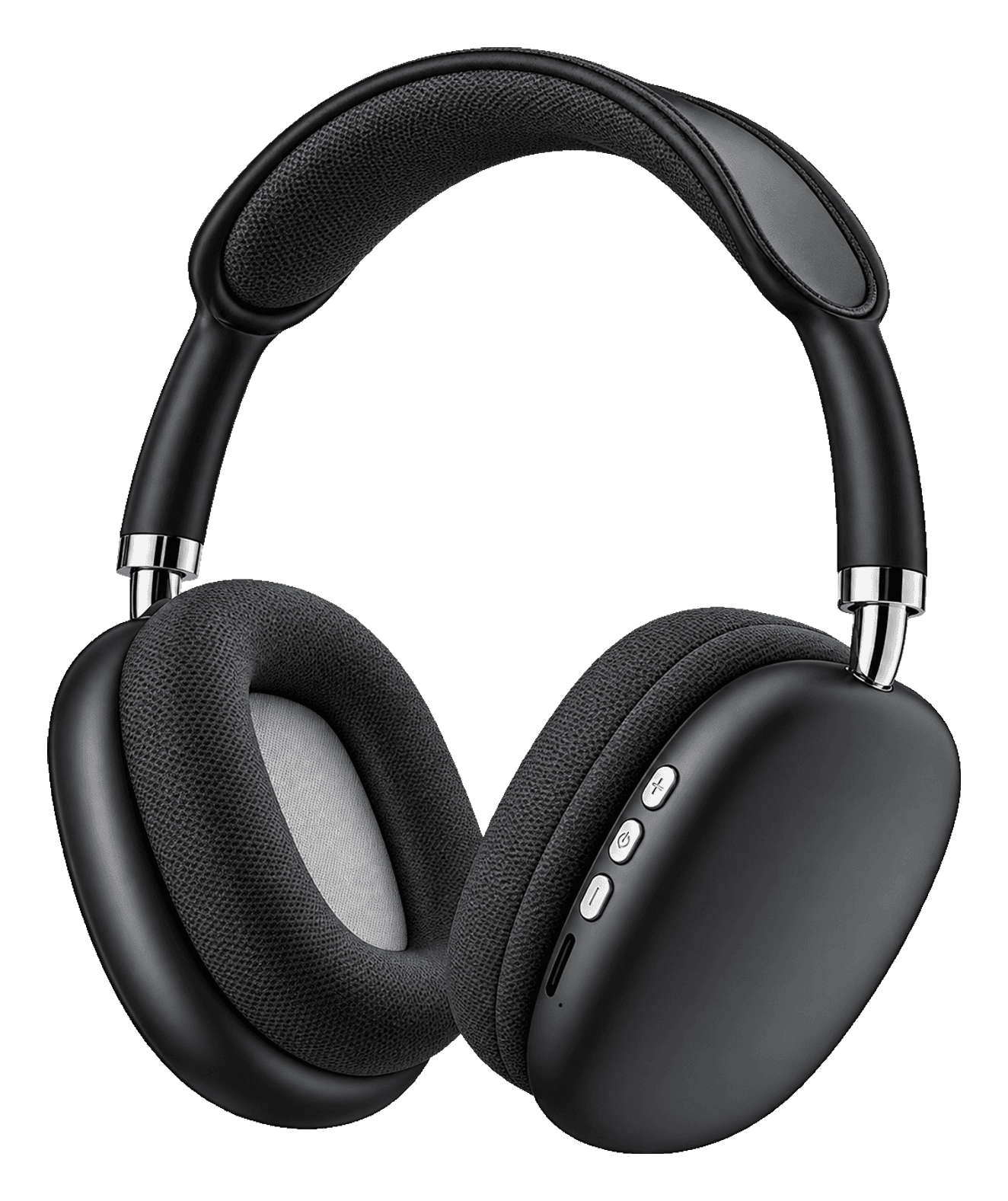
Not every headset in our headphones range offers the same inputs, and it's worth checking before you buy rather than after. Some, like the STN-28, play over Bluetooth, a 3.5mm cable, or straight off a microSD card. Others, like the P9, are Bluetooth-only by design — fewer parts, a simpler headset, a lower price. Neither approach is wrong; they suit different people.
The three modes, honestly compared
| Bluetooth | Wired (3.5mm) | microSD / TF card | |
|---|---|---|---|
| Needs battery | Yes | Usually no | Yes (powers the amp) |
| Needs a phone nearby | Yes | Yes (as the source) | No |
| Latency | Small delay — noticeable in fast games | None | None |
| Sound quality ceiling | Limited by the Bluetooth codec | Limited only by the source and cable | Limited by the file's own bitrate |
| Works on a plane / gym console | With Bluetooth allowed | Always | Always |
| Typical use case | Everyday listening, calls | Gaming, flights, backup when battery's dead | Kids, gym, no-phone listening |
When Bluetooth-only is actually the right buy
If you always have your phone within reach and you're not chasing zero latency for gaming, a Bluetooth-only set like the P9 isn't a compromise — it's one less thing to think about, and you're not paying for inputs you'll never plug into. The trade-off is straightforward: no sound if the battery's flat, and no option for a console or in-flight system that only offers a 3.5mm jack.
When wired earns its keep
Zero latency, every time. If you game on a console or PC and care about hearing footsteps a fraction of a second sooner, wired wins outright — no Bluetooth codec doing any processing in the middle.
The battery dies mid-flight or mid-session. On a set built with a passive aux path, the 3.5mm jack can keep working even at 0% battery, so a flat charge doesn't mean silence for the rest of a flight or a study session — check the product page, since this depends on how the specific headset wires its aux input.
In-flight entertainment and gym consoles. Most still only offer a 3.5mm jack, no Bluetooth pairing at all. A Bluetooth-only headset simply can't connect to them.
When a microSD card wins
This is the mode we'd point to for a kid's headset specifically. Load a card with music once, hand it over, and there's nothing to pair, nothing to lose sync, no phone to hand over with it. The STN-28's on-cup buttons handle play, pause and track skipping straight from the card.
The practical takeaway
Decide what you actually need before you shop, not after. If you always have your phone charged and nearby, Bluetooth-only is genuinely fine and usually cheaper. If you fly often, game competitively, or want something a child can use without a phone at all, check the specs for 3.5mm and microSD support specifically — they're listed on each product page, and not every headset in the range has them.
Compare the P9 and STN-28 directly, or browse the full wireless headphones selection.
Frequently asked questions
Does wired sound better than Bluetooth?+
Wired removes Bluetooth codec compression and any pairing-related delay, so it can sound marginally cleaner, but on a budget headset the difference is small. The bigger practical win is zero latency for gaming and a source that works even without battery.
Does using wired mode drain the battery?+
On a set with a passive aux path, no — the cable bypasses the amp electronics, which is exactly why it can keep working at 0% charge. This depends on how the specific headset wires its 3.5mm input, so check the product page rather than assuming it applies to every set.
Can I use microSD playback and Bluetooth at the same time?+
No — pick one source at a time. Running two at once is the most common cause of distorted or doubled audio on headsets that support multiple modes; switch Bluetooth off on your phone before plugging in a cable or loading a card.
Part of our Headphones guides.